Education
Helping children become responsible animal guardians
How art, questions and supervised practice can help children learn empathy and responsible animal care.
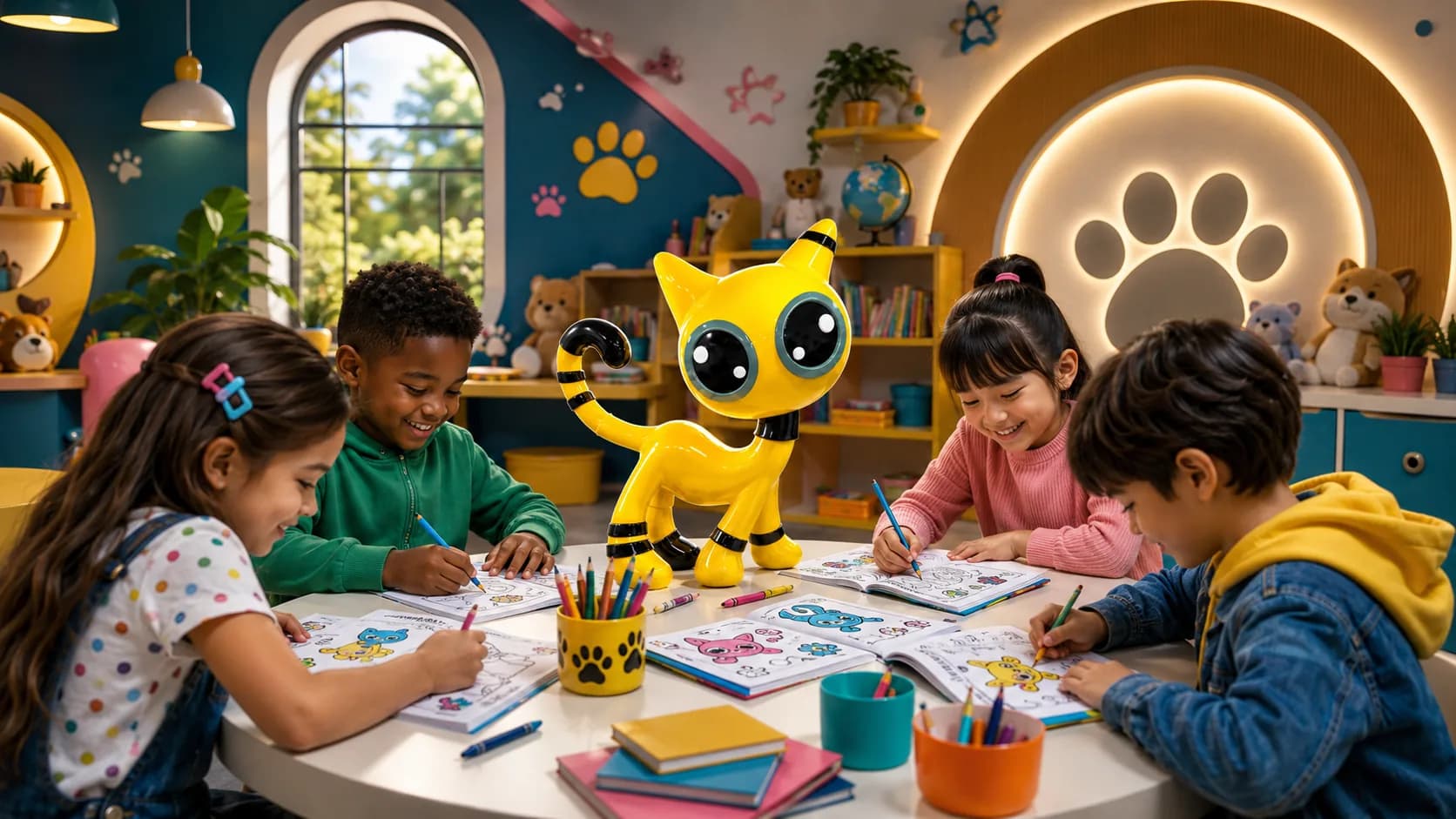
Children do not become responsible animal guardians through slogans alone. They learn when adults connect empathy with concrete habits: observing body language, respecting limits, providing care and asking qualified people for help.
Art can begin the conversation
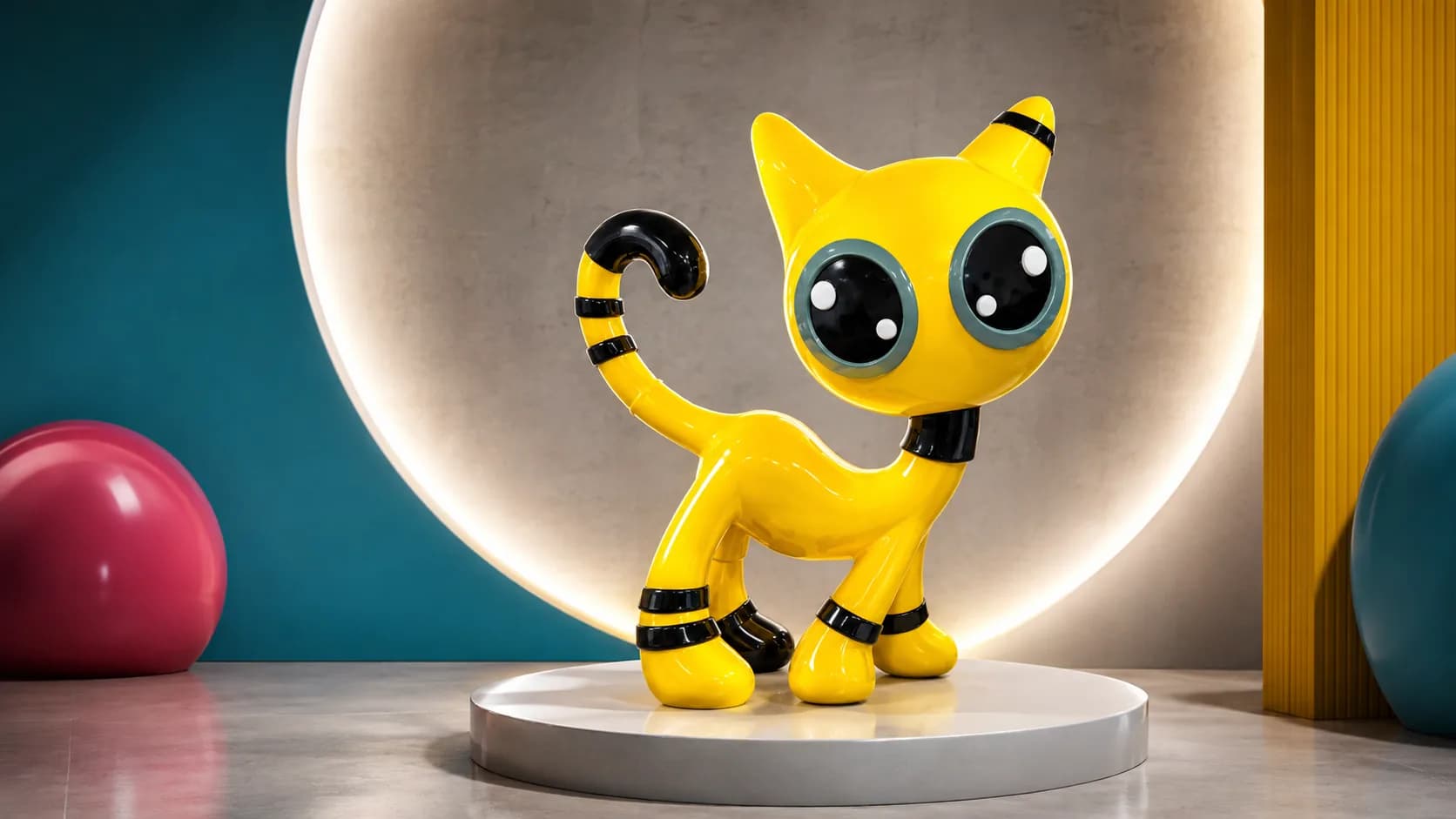
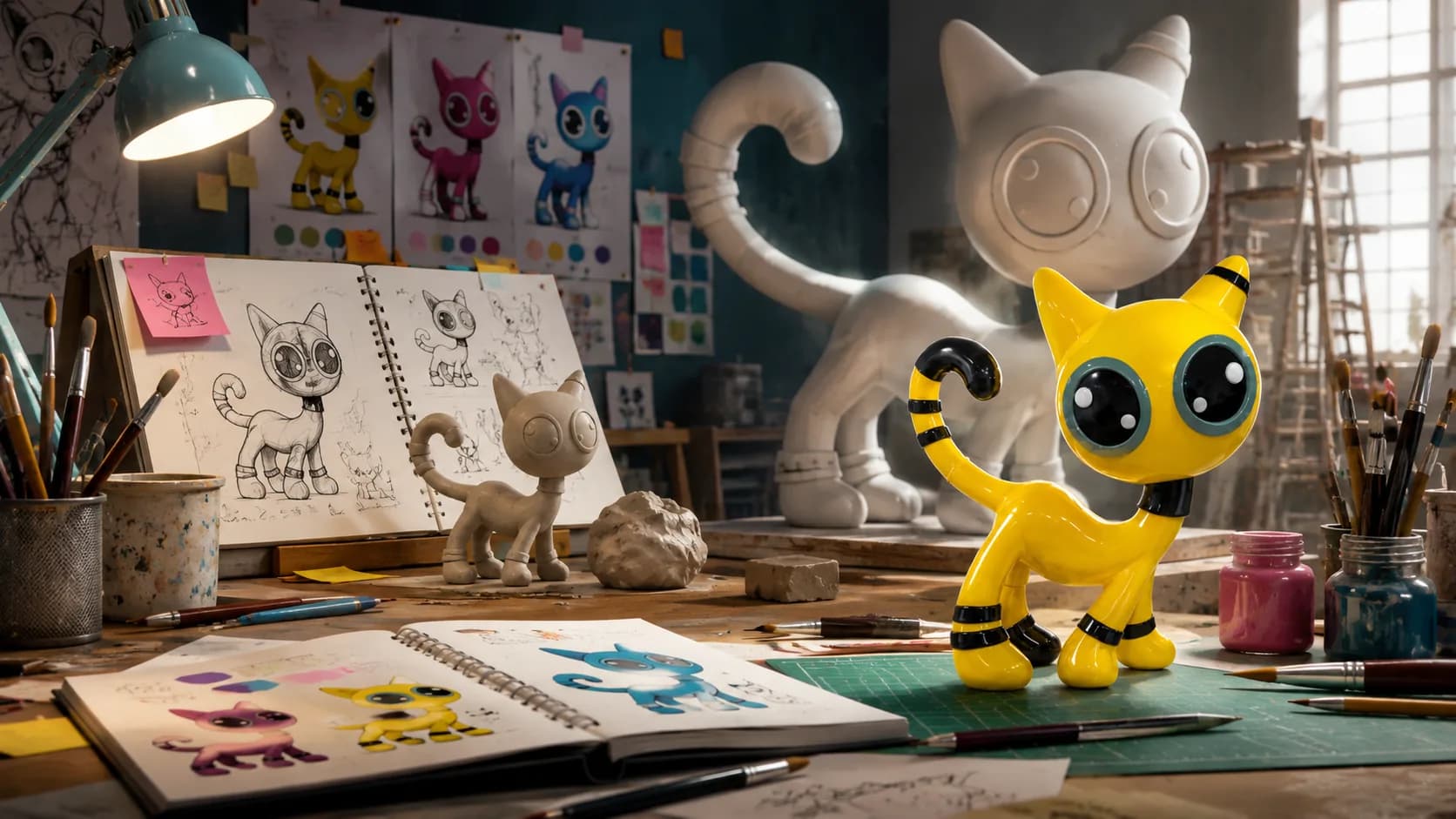
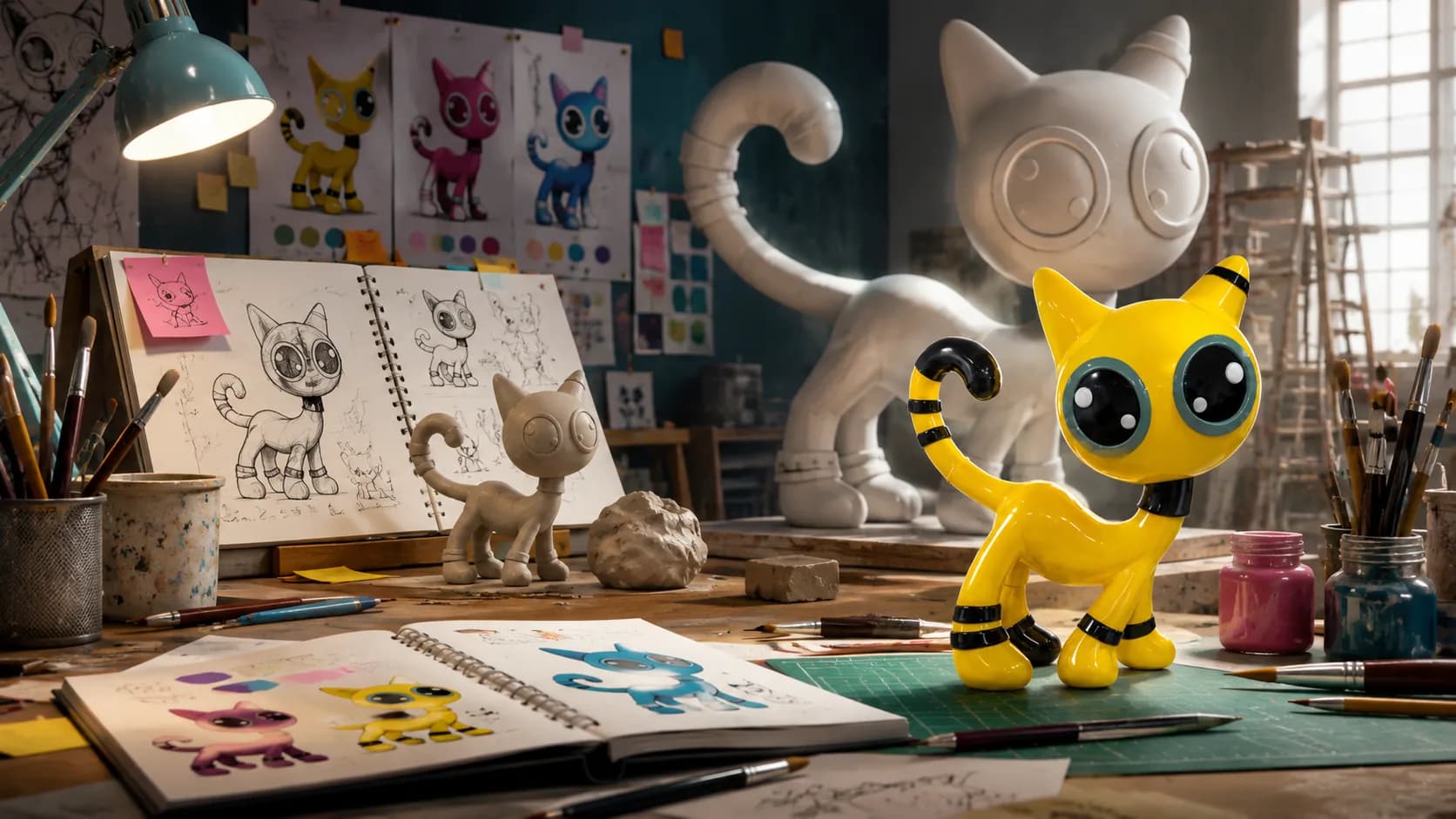
A fictional character such as Zyon gives educators a safe starting point. Children can describe what they notice, imagine how an animal might experience a situation and compare those ideas with reliable information. The aim is not to pretend that a drawing has the needs of a real cat, but to use attention created by art to discuss living beings.
Research on humane education suggests that structured learning can support empathy, although results depend on programme quality and context. The UNESCO Framework for Culture and Arts Education also places arts learning within broader social and civic development.
Responsibility must be age appropriate
Children can refill water with supervision, help maintain a calm environment and learn not to chase or restrain an animal. Adults remain responsible for veterinary care, expenses, safety and the final decision to adopt.
Useful questions are practical: How does a cat show discomfort? Why must windows be protected? Who cares for the animal during travel? What should a child do after finding an injured animal? These questions replace idealised ownership with informed care.
From activity to daily practice
A workshop or school visit is valuable when it leads to habits that continue at home and in the community. Educators should adapt content to age, avoid frightening imagery and distinguish observation from diagnosis.
Cat Zyon's children's area uses the character to support creative learning, while the adoption guide addresses decisions that belong to adults. Schools and cultural organisations can propose educational collaborations through Get involved.